
Productive capacity
Downtime, slow running, waiting, repeat stops, and bottlenecks can leave installed capability unavailable.
Engineering performance, translated into business performance.
We assess machinery condition, maintenance routines and records, identify the priorities that deserve attention first, and put practical preventive maintenance and maintenance records in place. Site work across Greater Kampala and Uganda's industrial corridors.
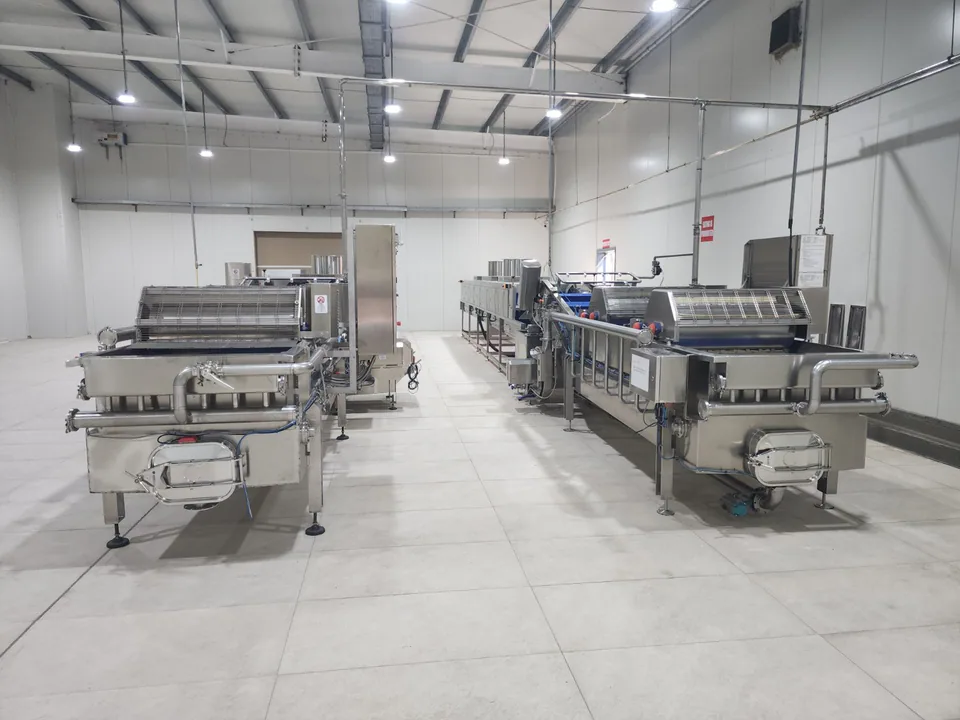
Many maintenance problems sit in the machine, the routine, the spares, or the way work is recorded, not in the software. Each step is taken only when the evidence calls for it, and when the assessment shows a CMMS is justified, Profilio integrates it into the maintenance routine.
Machinery condition, maintenance routines, records, spares, and the priorities that deserve attention first.
Repeat defects, breakdown causes, alignment, and lubrication dealt with at the machine, plus installation and commissioning.
Asset registers, PM routines, checklists, spares, and records the maintenance team can actually use.
Only when the assessment shows software is the right answer: clean asset data, PM schedules, work requests, roles, and approvals prepared for the CMMS, a controlled pilot specified, and a phased roll-out plan.
Backlog, overdue work, and repeat failures reviewed on an agreed cadence, with actions followed up and results verified.
Electricity can rise because a machine is deteriorating. A maintenance delay can become missed output. A spare-parts decision can either shorten downtime or tie up cash. Profilio follows the evidence across those boundaries rather than assuming the visible symptom is the root cause.
This is where money can hide: small changes in runtime, energy intensity, repeat work, waiting, bottlenecks, and interventions that were completed but never verified.
Where suitable data exists, Profilio may express the consequence as measured cost, calculated capacity, or a clearly labelled estimate. It is not presented as audited profit or financial advice.
Explore factory problems by symptomThe relationships can move in both directions. Evidence has to close the loop before the intervention is chosen.
Downtime, slow running, waiting, repeat stops, and bottlenecks can leave installed capability unavailable.
Utility intensity, repeat repairs, overtime, emergency purchases, and unnecessary work can raise conversion cost.
Unstable assets and weak maintenance control can make output, schedules, and customer commitments less predictable.
Poor records can hide what changed, what is driving it, which action matters, and whether the intervention worked.
Every intervention follows the evidence, and every result is reported in language management can use.
Record the event, affected system, operating consequence, and evidence already available.
Test technical, maintenance, utility, production, data, and process explanations.
Measure or calculate cost, capacity, risk, and exposure only where the evidence supports it.
Select and implement the justified engineering, monitoring, pilot, or specialist response.
Check whether the condition actually changed and retain the acceptance evidence.
Turn the result into management meaning and continue visibility only where it adds value.
Profilio selects the engineering, reliability, measurement, data, or technology layer required by the operating problem instead of selling each discipline as a disconnected solution.
Assess, restore, commission, improve, and organise machinery and maintenance within written scope.
Define the operating question, data requirement, KPI, and evidence source before adding instrumentation.
Use CMMS, software, sensing, automation, and specialist technology only where the requirement justifies it.
Present technical events as concise status, consequence, priority, action, and verified result.
A structured review of machinery condition, maintenance practices, records, spares, safety observations, recurring failures, and operating consequences, followed by a prioritised action plan.
Explore Maintenance assessmentPlanned and corrective mechanical maintenance focused on restoring safe function, reducing repeat defects, explaining operating consequence, and leaving useful records behind.
Explore Industrial maintenanceMechanical installation support that connects receiving, positioning, alignment, testing, snag management, production-readiness checks, and initial maintenance planning.
Explore Installation & commissioningPractical consultancy for maintenance organisation, asset control, recurring-failure review, work planning, management reporting, and improvement governance.
Explore Reliability consultancySoftware is not always the answer; the problem is often in the machine, the routine, or the spares. A CMMS pays off when the assessment shows a records-and-workflow problem and the asset register and PM routines behind it are sound. Then Profilio prepares the data, defines the workflows, roles, and approvals, and plans a controlled pilot, so the software supports how maintenance actually runs.
CMMS readiness and pilot preparationA CEO, owner, or general manager should be able to see material change, the likely driver, the consequence, the action underway, and what requires a decision—without reading every work order, alarm, or inspection record.
Factory Maintenance Health Assessments are reported that way: an Executive Assessment Report for management, with a Technical Annex holding the evidence, findings, and verification criteria underneath.
Judge the format before you engage: a labelled demonstration pair—an Executive Assessment Report and its Technical Annex, built on fictional data—is published in full. Read the demonstration report pair
The demonstration report, founder background, service scope, and working boundaries are published, so you can judge Profilio before any engagement.
The sample assessment shows the reporting method with fictional information. It is not a client report, testimonial, completed project, or measured result.
Review the evidence systemAbout ten years of industrial maintenance, plant utilities, installation, maintenance-system, and team-coordination experience, presented as founder background rather than as Profilio client work.
Review the founder profileResponsibilities, boundaries, deliverables, findings, actions, limitations, and outstanding risks are treated as controlled engineering records rather than informal promises.
Review the service modelAppropriately competent or authorised specialists are required for electrical, pressure, structural, civil, statutory, and other specialist work outside the agreed direct scope.
Read the operating boundariesFood, fruit, agro-processing, poultry, cold-chain, sugar, distillery, utilities, grain, flour, bakery, and other machinery-dependent factories in Greater Kampala and across Uganda.
Industrial performance and reliability context for processors handling crops, ingredients, feed, coffee, and other agricultural products through material-handling and transformation equipment.
Industry detailsIndustrial performance and reliability context for cold rooms, chilled or frozen handling, process interfaces, logistics support, and refrigeration-dependent operations.
Industry detailsIndustrial performance and reliability context for food-processing operations where machinery condition, hygiene, production continuity, maintenance control, and decision evidence must work together.
Industry detailsIndustrial performance and reliability context for fruit receiving, washing, sorting, preparation, drying, freezing, packing, and the process-support systems around them.
Industry detailsIndustrial performance and reliability context for mills, ingredient handling, mixing, baking, cooling, packing, and the mechanical and operating interfaces that connect them.
Industry detailsIndustrial performance and reliability context for poultry production, processing, feed, cold holding, packaging, and utility-dependent support systems where evidence and competence boundaries matter.
Industry detailsIndustrial reliability context informed by sugar, distillery, boiler-area, rotating-equipment, shutdown, and industrial-utility operating environments where scope and specialist boundaries matter.
Industry details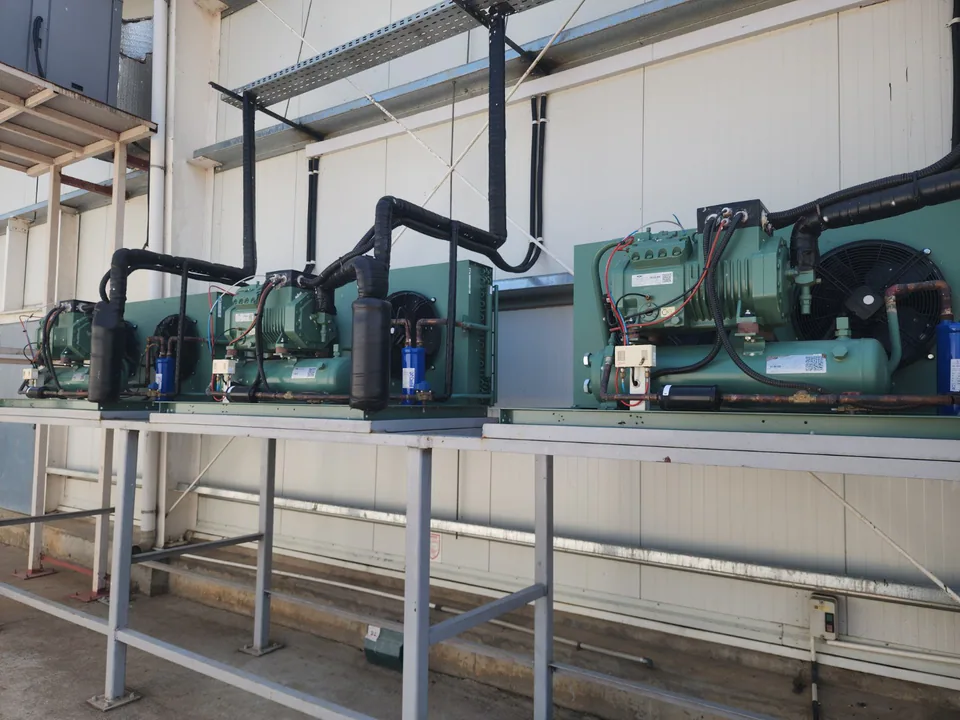
Profilio combines mechanical understanding, maintenance systems, documentation, data thinking, and responsible technology selection around one accountable objective: improve the quality of the industrial decision and verify the result.
No. It is sometimes called a maintenance audit, but it is a practical maintenance and machinery review within an agreed scope—not a statutory inspection, certification, or compliance audit. Statutory, electrical, pressure, structural, or specialist certification must be performed by appropriately authorised professionals.
No. The assessment is designed to establish the machinery, workflow, record, spare-parts, and maintenance priorities that should guide any later digital implementation.
The assessment produces a paired deliverable: an Executive Assessment Report for management and a Technical Annex for engineering traceability. Every management statement traces back through evidence, finding, consequence, recommendation, action, and verification. A downloadable demonstration pair is published on the resources page as a 7-page executive report and an 11-page annex. It is a fictional demonstration assessment shown in the format of a Profilio client-review deliverable, uses no real client data, and needs no form or WhatsApp to download.
Client branding is part of the intended product and commercial model. The exact name, logo, colours, terminology, forms, reports, roles, and supported modules must be confirmed through a written readiness review and controlled pilot scope.
No unrestricted production deployment is claimed. The part that is proven is the controlled assessment-reporting capability: Assessment Studio generates a deterministic Executive Assessment Report and Technical Annex from controlled assessment data. The wider maintenance-platform capability remains under active development, so work beyond assessment reporting focuses on readiness discovery, asset-data preparation, workflow definition, and controlled pilot planning unless a proposal verifies a deployable module.
You do not need to diagnose the cause before contacting Profilio. Describe what is happening, what it affects, and what information already exists. The next step should follow the evidence.